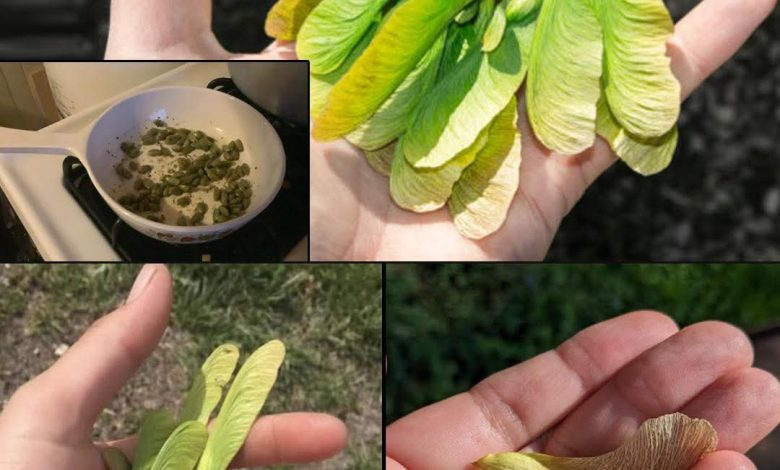
Adding to Other Dishes
Trail Mix: Combine roasted maple seeds with nuts, dried fruits, and chocolate chips.
Salads: Use them as a crunchy topping, similar to sunflower or pumpkin seeds.
Soups and Stews: In some traditions, lightly toasted seeds are added to soups for additional texture.
-
Man, I’ve been doing it wrong this entire timeApril 25, 2025
-
Easy and Spongy Milk Bread RecipeApril 25, 2025
Other Uses
Crafts and Decorations
The unique helicopter shape makes maple samaras popular in seasonal decorations, crafts, and even art projects with children.
Wildlife Support
Even if you don’t plan to consume them yourself, leaving some seeds on the ground can provide food for birds, squirrels, and other wildlife—an important aspect of maintaining local biodiversity.
Gardening and Propagation
If you’re interested in growing your own maple trees, you can collect and germinate these seeds. Stratification (a cold treatment process) is often recommended to encourage successful sprouting.
Precautions
Species Identification: While most maple seeds are considered safe to eat in moderation, be sure you’re gathering from a non-toxic maple species. Certain ornamental varieties or related trees may produce seeds that are not advisable for human consumption.
Moderation: As with any wild-harvested food, start by consuming small amounts to ensure you don’t experience digestive discomfort or an allergic reaction.
Seasonality and Freshness: The taste and texture can vary depending on the stage of development. Very mature seeds might be fibrous or bitter, while younger seeds (still green) tend to be softer and less astringent.
Preparation: Always remove the papery wings and rinse the seeds to remove debris or insects. Cooking (roasting, boiling, steaming) helps improve taste and reduce potential bitterness.
Maple tree seeds are more versatile than many people realize. Whether you’re a forager looking to expand your repertoire of wild edibles, a DIY crafter searching for natural materials, or simply someone curious about eco-
friendly, no-cost snacks, maple seeds can offer a unique twist. While their nutritional impact may be modest compared to more common seeds and nuts, their abundance and potential health benefits—along with minimal environmental footprint—make them worth exploring.
As always, if you plan to harvest any wild food, identify the plant confidently and consider any local regulations or guidelines. For those with existing health conditions, allergies, or concerns, consult with a nutritionist or healthcare provider before significantly adding foraged foods to your diet. With the right preparation and a sense of culinary adventure, maple seeds can be a fun and healthful addition to your table.